Finding the Right AI Speaker Is Harder Than It Looks
The market for AI keynote speakers has exploded. Every consultant, startup founder, and LinkedIn influencer now calls themselves an “AI expert.” For event organizers, this creates a real problem: how do you separate genuine expertise from polished buzzword delivery?
A great AI keynote does three things. It makes complex technology accessible without dumbing it down. It gives the audience something they can actually use on Monday morning. And it comes from someone who has built real AI products — not just read about them.
This guide is for conference organizers, corporate event planners, and L&D teams looking to book a keynote speaker on AI, neuroscience, digital twins, or consumer psychology. It covers what to look for, which topics are trending in 2026, and how the booking process typically works for top-tier AI speakers in Europe.
What Makes a Great AI & Neuroscience Speaker?

The best AI keynote speakers share a specific combination of traits that generic “thought leaders” cannot replicate.
Academic credentials matter. A PhD or published research signals depth. The speaker should be able to cite peer-reviewed studies, not just blog posts. In a field where misinformation spreads fast, scientific rigor separates credible speakers from confident ones.
Builder credibility is non-negotiable. Has the speaker actually built AI products that are in production? Anyone can explain what GPT does. Far fewer can demonstrate how AI systems work in practice — with real data, real users, and real business outcomes. Look for founders, CTOs, or CIOs who have shipped AI products, not just theorized about them.
Stage presence makes or breaks the session. The ability to make neuroscience or machine learning feel relevant to a room of marketers, executives, or engineers is a rare skill. The best speakers adapt their language and examples to the audience without losing scientific accuracy.
Live demos beat slide decks. Audiences in 2026 expect more than bullet points. Speakers who run live AI demonstrations — showing real-time predictions, generating synthetic consumer feedback, or querying AI systems on stage — create moments that attendees remember and talk about.
The ideal keynote speaker AI audiences connect with is a scientist-entrepreneur: someone who bridges academic research and commercial application. That combination of depth and practicality is what turns a good talk into an outstanding one.
The 5 Hottest AI Speaking Topics for 2026
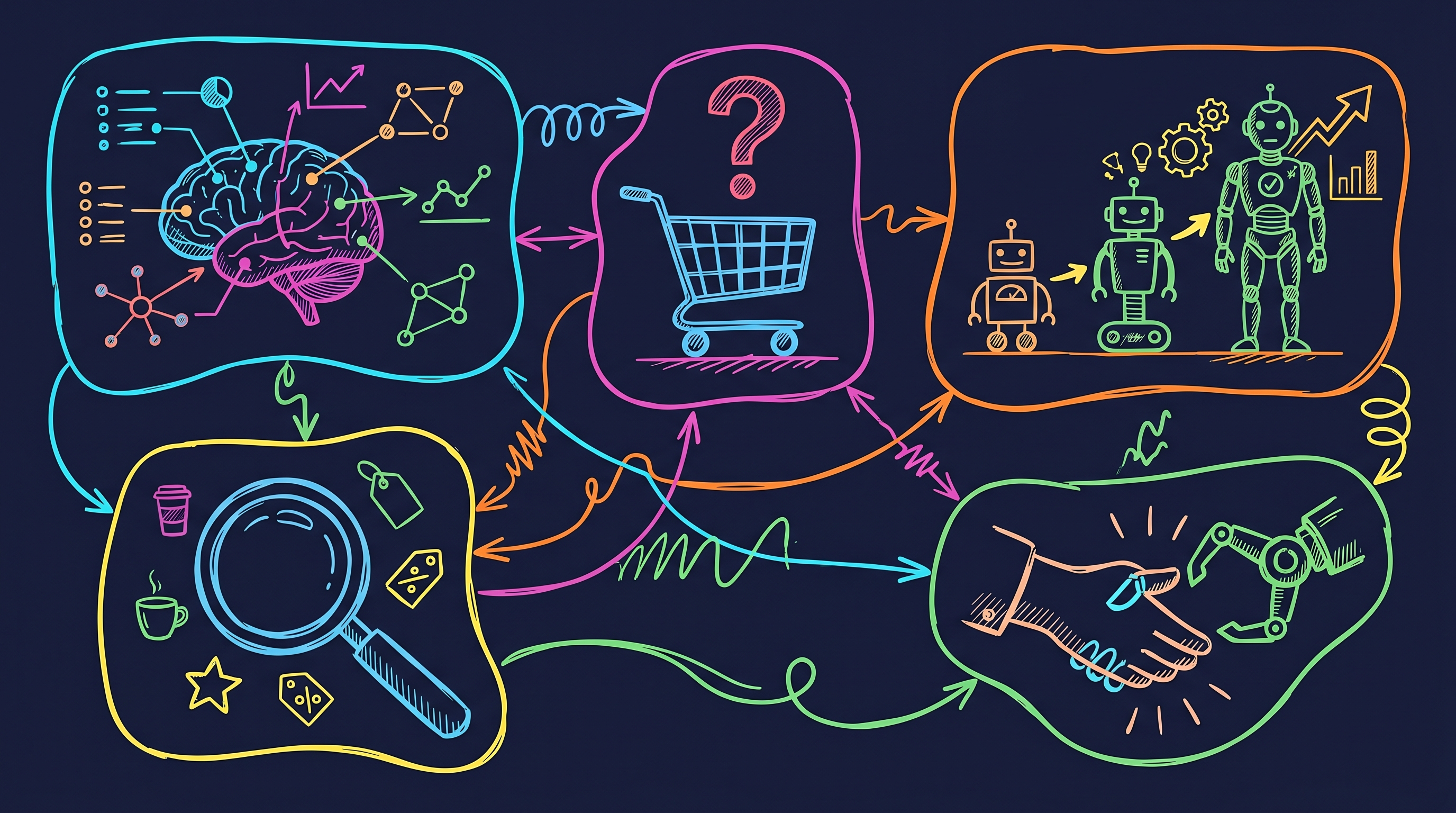
When booking an AI speaker, the topic matters as much as the person. Here are the five themes generating the most demand from event organizers this year.
1. Digital Twins & Synthetic Audiences
AI-generated consumer profiles that predict human behavior with 80–90% accuracy are transforming market research. Digital twins allow brands to test messaging, product concepts, and campaign strategies on synthetic audiences before spending a single euro on real research. This topic is perfect for marketing conferences, brand summits, and innovation days. Audiences leave understanding how to replace slow, expensive focus groups with AI-powered alternatives.
2. AI Operating Systems (AIOS)
The shift from standalone chatbots to fully integrated AI operating systems is the defining technology story of 2026. This keynote covers how organizations move from experimenting with AI tools to building autonomous AI infrastructure that runs across departments. Ideal for CIO/CTO audiences, digital transformation summits, and tech leadership conferences.
3. Consumer Psychology Meets AI — “Consumers Buy Weird”
Neuroscience research shows that 95% of purchase decisions happen subconsciously. This talk explores how AI now decodes irrational consumer behavior — from attention patterns to emotional triggers — and turns psychological insights into marketing strategy. A perfect conference opener that combines entertainment with actionable science. Works for any audience, from CMOs to sales teams.
4. AI Search Visibility & Generative Engine Optimization (GEO)
“Recommended or invisible” — that is the new reality for brands. As AI-powered search (ChatGPT, Perplexity, Google AI Overviews) replaces traditional search, companies need entirely new strategies to stay visible. This keynote is built for CMO audiences, SEO conferences, and digital marketing summits where teams need to understand how AI search engines decide which brands to recommend.
5. Human-AI Collaboration
The future of work is not AI replacing humans — it is humans and AI agents working together. This topic covers practical frameworks for integrating AI into daily workflows, from autonomous agents that handle routine tasks to AI copilots that augment creative and strategic thinking. Broad appeal across industries and roles.
Looking for a speaker on these topics? Dr. Jonathan Mall delivers keynotes on all five topics — with live demos, real data, and actionable takeaways. Available in German, English, and Dutch. Submit a speaker inquiry
How to Evaluate and Compare AI Speakers
Once a shortlist is in place, a structured evaluation process helps avoid expensive mistakes. Here is what to look for.
Watch the speaker reel. Video footage is worth more than any list of testimonials. Look for audience engagement, clarity of explanation, and whether the speaker can hold a room. A polished sizzle reel is good; unedited full-length recordings from past events are better.
Verify the credentials. Check for a combination of academic background (PhD, peer-reviewed publications) and entrepreneurial experience (founded or led an AI company). The best neuromarketing speakers and AI keynote speakers have both — not just one or the other.
Ask about customization. A top-tier speaker will tailor the keynote to the specific audience, industry, and event theme. Ask how they plan to adapt their content. Generic, one-size-fits-all talks are a red flag.
Check GDPR and compliance knowledge. For European events, this is critical. Any speaker discussing AI, consumer data, or digital twins should understand European data protection requirements and be able to address audience questions on compliance.
Request references from similar events. Ask for contacts at organizations that have booked the speaker for comparable audiences. A speaker who thrives at a tech conference may not be the right fit for a board retreat — and vice versa.
Want to see a speaker reel? Past keynotes include OMR, KVD Service Congress, Automatica Munich, and d3con. Request info & availability
Booking Logistics: What to Expect
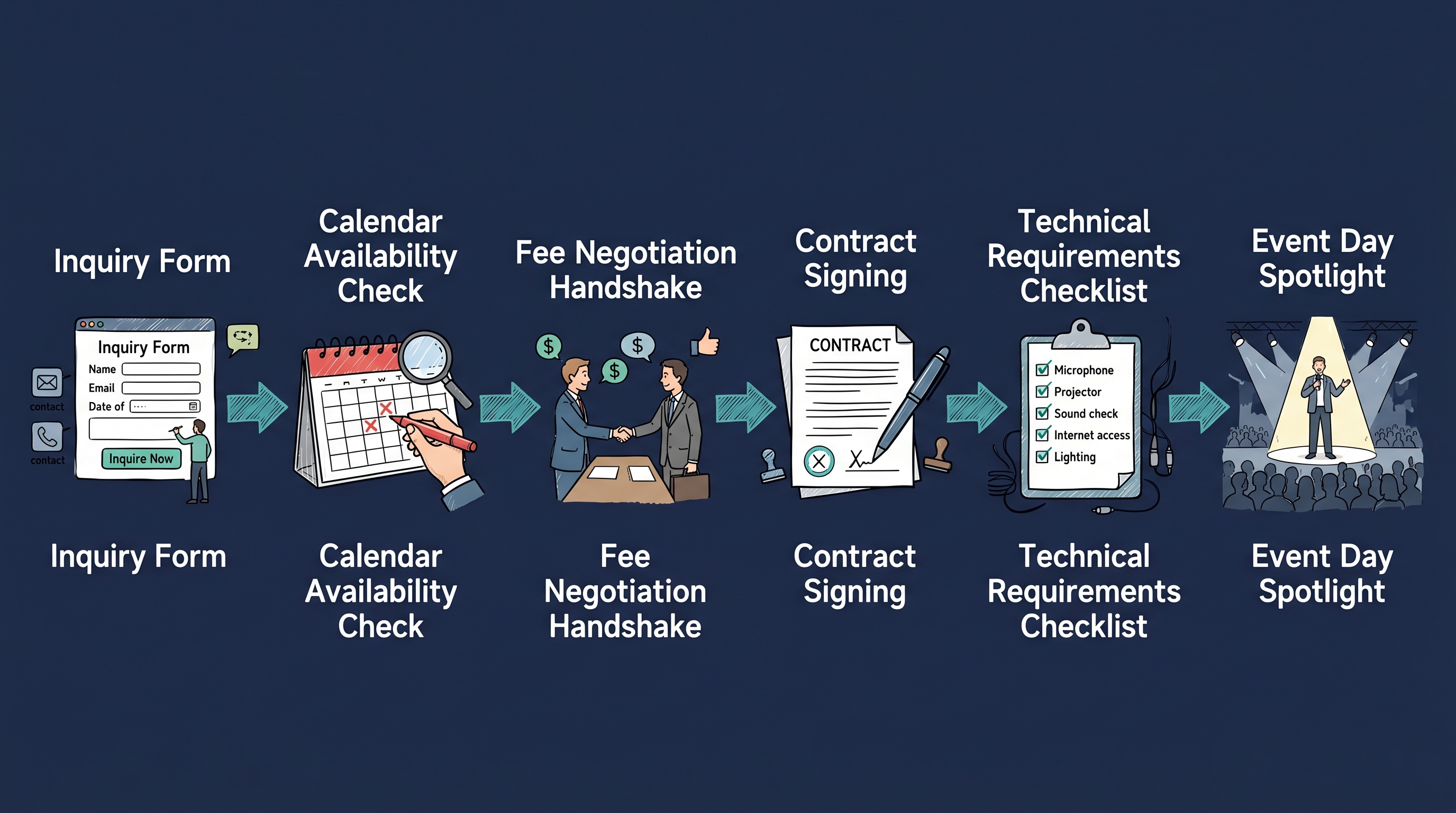
Understanding the practical side of booking an AI keynote speaker helps event planners set realistic expectations and avoid last-minute surprises.
Fee structures. AI keynote speakers in Europe typically charge between EUR 5,000 and EUR 15,000 for a 45–60 minute keynote, depending on experience, travel requirements, and customization depth. Speakers with deep technical expertise and live demo capabilities tend to be at the higher end. Workshop add-ons (half-day or full-day deep-dives) are usually priced separately.
Lead time. For top-tier speakers, plan to book 3–6 months in advance. Popular conference seasons (September–November, March–May) fill up fast. Early outreach also allows more time for content customization.
Technical requirements. Most AI speakers who perform live demonstrations need reliable high-speed WiFi and a backup mobile hotspot. Confirm screen resolution, audio setup, and whether the venue supports HDMI or USB-C connections. A brief tech check the day before the event prevents most issues.
Language capabilities. For European events, multilingual speakers offer significant flexibility. Coverage in German, English, and Dutch, for example, allows the same speaker to address different audience segments or serve as a panel moderator across language tracks.
Workshop add-ons. Many organizations get the most value by combining a keynote with a hands-on workshop. A morning keynote sets the strategic context; an afternoon workshop lets teams apply the concepts to their own challenges. This format works particularly well for digital twins and AI strategy topics.
Ready to book? Fill out the speaker inquiry form with your event date, audience size, and preferred topic. Typical response time: 24 hours. Book a keynote speaker
Quellen & Related Articles
- From Chatbot to AI Operating System — How organizations build autonomous AI infrastructure
- Recommended or Invisible: How AI Search Makes Brands Disappear — The new rules of AI search visibility
- 27 Principles for AI Agents — A framework for building effective human-AI collaboration
- The AI Visibility Check: Is Your Brand Recommended by ChatGPT? — Practical assessment for brand visibility in AI search
- Neuromarketing (Wikipedia) — Background on the scientific foundations of consumer neuroscience
- Digital Twin (Wikipedia) — Overview of digital twin technology and applications
Conclusion
The best AI keynote speakers combine scientific depth with entrepreneurial credibility. They do not just explain what AI can do — they show it live on stage, grounded in peer-reviewed research and real-world product experience. For event organizers, the key is to look beyond polished LinkedIn profiles and demand evidence: published research, shipped products, and references from comparable events. Do not settle for generic “AI is the future” talks. Demand live demos, actionable strategies, and a speaker who can adapt to your specific audience.
About the author: Dr. Jonathan T. Mall is a cognitive neuropsychologist (PhD, RUG 2013), CIO and Co-Founder of neuroflash. With 20+ years bridging neuroscience, AI, and marketing, his keynotes combine scientific depth with live demos and practical strategies. Speaking languages: German, English, Dutch. Contact: jonathanmall.com · LinkedIn.
Frequently Asked Questions
How much does an AI keynote speaker cost?
Expect roughly EUR 5,000 to 15,000 for a 45 to 60 minute keynote, depending on topic, customization and travel. Live demonstrations and research-backed content typically sit at the higher end of that range.
How far in advance should I book a keynote speaker?
Plan 3 to 6 months ahead for popular AI and neuroscience speakers. Earlier booking secures preferred dates and leaves time to tailor the talk to your audience and event theme.
What makes a credible AI and neuroscience speaker?
Look for genuine academic credentials, hands-on product-building experience, strong stage presence and the ability to run live demos. These signals separate real expertise from recycled marketing hype.