Ten Words That Build Trust — Now Measured With Digital Twins
Proof, not claims: classic persuasion triggers, re-tested live with digital twins.
- 1. „Keine versteckten Kosten. Versand und Rückversand gratis.“ (“No hidden costs. Free shipping and returns.”) : 75% (15 of 20 purchase decisions)
- 2. „Über 12.000 Kundenbewertungen, 4,8 von 5 Sternen.“ (“Over 12,000 customer reviews, 4.8 out of 5 stars.”): 15%
- 3. „30 Tage Geld-zurück-Garantie.“ (“30-day money-back guarantee.”): 5%
- 3. „Familienunternehmen seit 1998.“ (“Family-owned business since 1998.”): 5%
- 5. „TÜV-zertifizierter Händler.“ (“TÜV-certified retailer.”): 0%
- 5. No trust line (control), 0%
The classic money-back guarantee, the standard-bearer of shop trust signals, ties for last place at 5%, trailing far behind cost transparency.
Dooley describes one trigger; we re-tested it live with digital twins.
Which words actually build trust in an online shop?
Anyone who’s ever built a product page knows the question: which sentence under the Buy button gives that final nudge? Roger Dooley devotes an entire chapter of Brainfluence to this, “Ten Words That Build Trust”, showing that certain phrasings (guarantees, certifications, review counts) reliably raise trust. The takeaway that’s been quoted in countless marketing guides since 2011: money-back guarantees work almost every time.
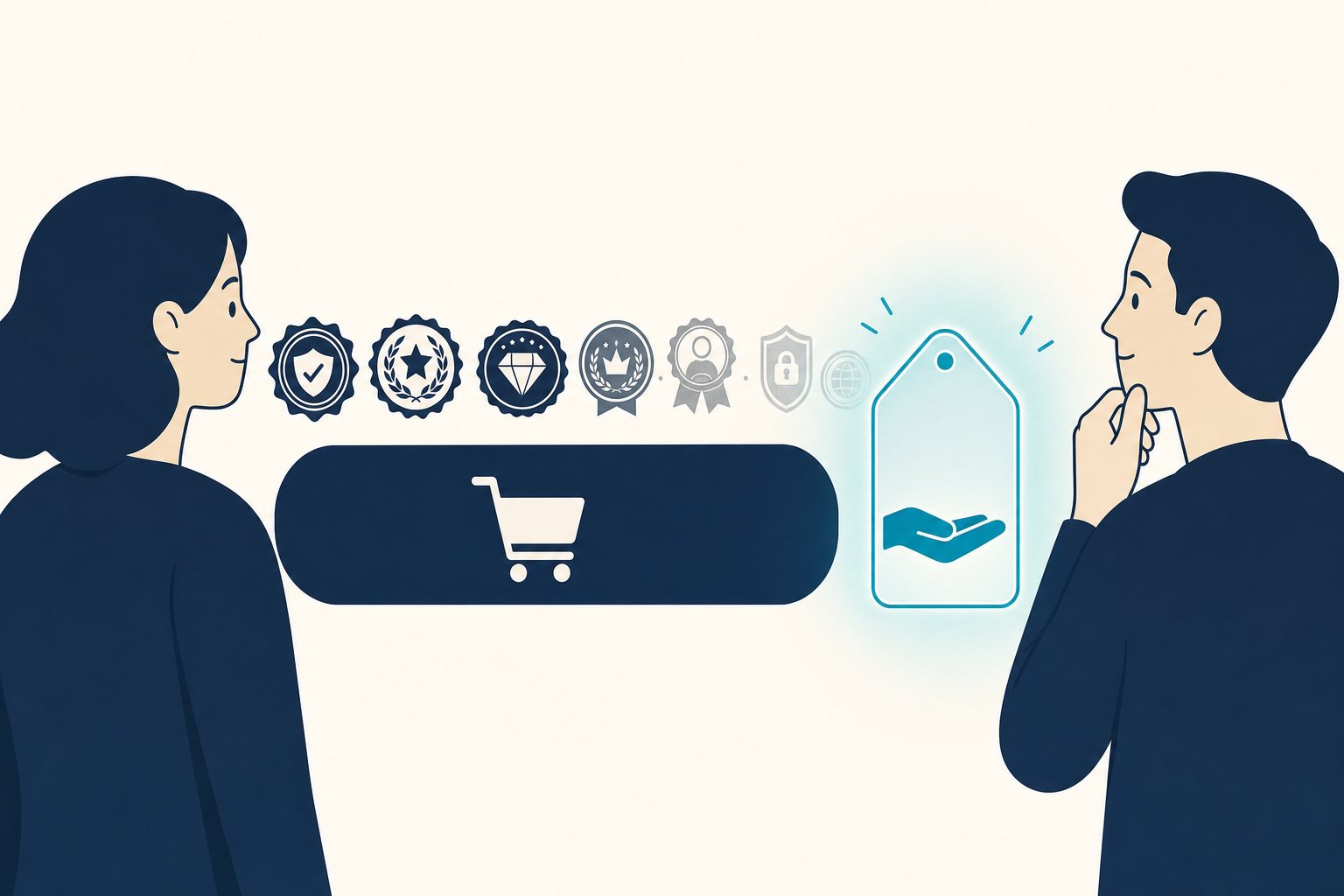
We wanted to know whether that still holds in 2026, and whether there’s a clear winner among the usual trust signals. So we built six variants of the same product page: an electronics shop, an €89 pair of headphones, the exact same page, with only the one line under the Buy button changing. Five trust triggers, plus a no-trust-line control.
How did we test this?
The Method: 10 digital twins (DACH consumer panel, ages 25–60) saw six trust lines, described as text, not rendered images, and made a forced purchase decision (“Which variant would make you most likely to buy?”). Each twin ran the test twice, once in order K-A-B-C-D-E and once reversed, to rule out position effects. 20 Purchase decisions in total. The panel responded in German; quotes are translated.
We also asked for a 1–10 trust rating per variant. Only 3 of the 20 responses returned it in full, too few for a reliable average. That’s why rating numbers don’t appear in this article. The robust metric is the purchase choice itself, and that’s what we show. One more caveat: this is one test, one product context (electronics, €89): not a universal law for every shop.
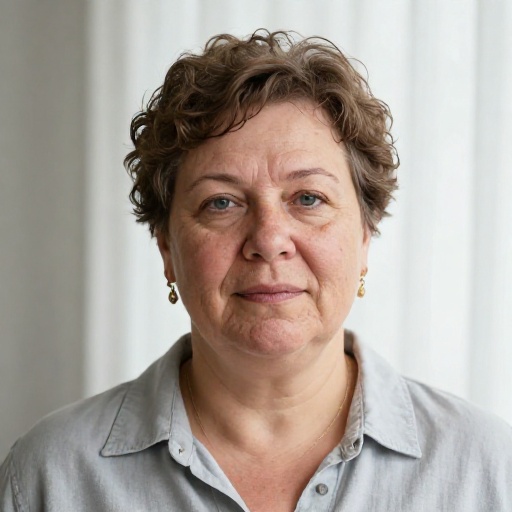
Beate Hofmann, 58
Project manager twin* · Stuttgart · University degree
“I’m Beate Hofmann, a project manager from Stuttgart. Since my divorce I’ve found new stability with a new partner, and even though I’m living with chronic back pain and an active cancer diagnosis, I stay active with daily exercise and feel deeply satisfied with my life.”
What makes this twin distinct: I hold strong private religious beliefs without attending church, I’m deeply skeptical of politics and the economic situation, and I guard my data so carefully that I’ll pass up a discount rather than share it.
* Digital twin: an AI simulation based on a real person’s profile: 68+ survey items, a full psychographic profile (values, demographics, behavior). Not a real person.
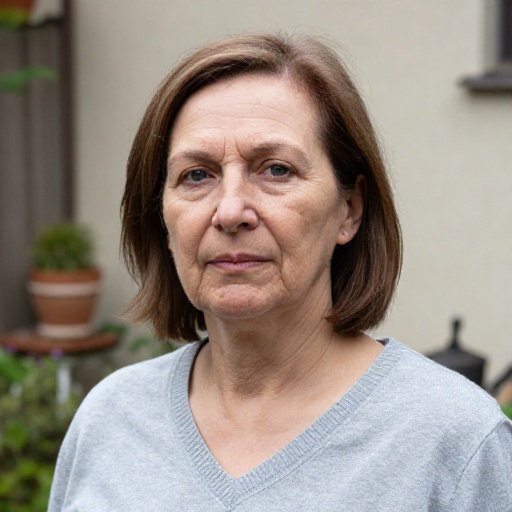
Sabine Wagner, 56
Nurse twin* · Leipzig · Upper secondary education
“I’m Sabine Wagner, a nurse at a hospital in Leipzig. I’m married and live with my husband, but between 40-hour shift work and running the household, I have almost no time left for myself.”
What makes this twin distinct: My faith isn’t just tradition. It’s an active source of strength for a demanding job, I place strong trust in the police and the justice system, and despite my packed hospital schedule I still volunteer for charitable causes.
* Digital twin: an AI simulation based on a real person’s profile: 68+ survey items, a full psychographic profile (values, demographics, behavior). Not a real person.
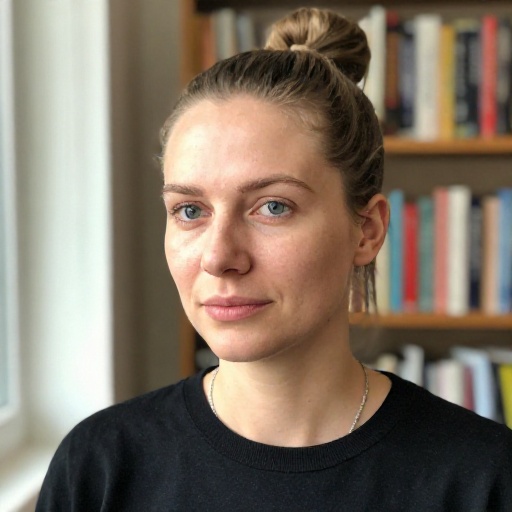
Kathrin Baumann, 32
Teacher twin* · Munich · Postgraduate degree
“I’m Kathrin Baumann, a primary school teacher from Munich. I’m married with two young children, and life right now is turbulent between school and a young family. Exercise has taken a back seat.”
What makes this twin distinct: I trust people deeply and tend to look for the good in them, I lean politically left and feel close to the Greens, and I consistently boycott products for sustainability reasons even though politics otherwise takes a back seat in my daily life.
* Digital twin: an AI simulation based on a real person’s profile: 68+ survey items, a full psychographic profile (values, demographics, behavior). Not a real person.
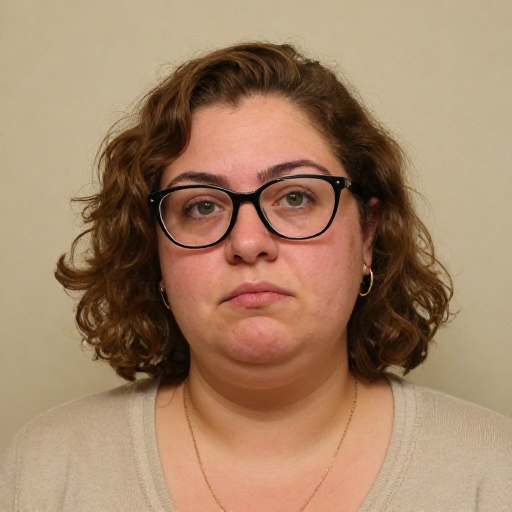
Melanie Schubert, 33
Bank clerk twin* · near Frankfurt · Advanced vocational education
“I’m Melanie Schubert, a bank clerk at a large company near Frankfurt. I’m married and live with my husband, though occasional back and neck issues slow me down a bit in daily life.”
What makes this twin distinct: I’m considerably more risk-averse than most people around me, I avoid leadership roles and deliberately limit my own time online even though I’m perfectly capable with technology. Order and reliability matter more to me than trying new things.
* Digital twin: an AI simulation based on a real person’s profile: 68+ survey items, a full psychographic profile (values, demographics, behavior). Not a real person.
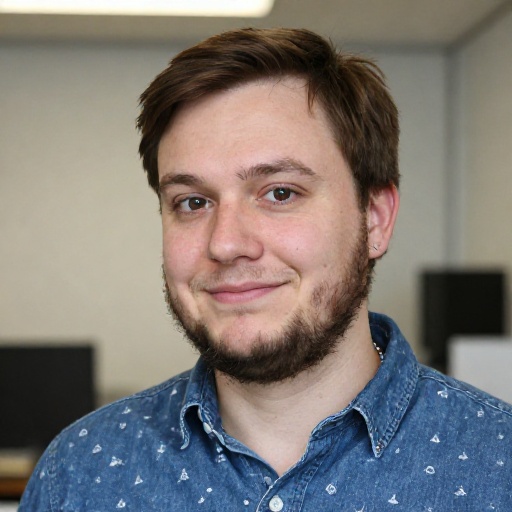
Lukas Sander, 33
Retail twin* · Dortmund · Postgraduate degree
“I’m Lukas Sander, a retail employee with team-lead responsibility in Dortmund. I’m married with three children aged two, four, and seven, between a 40-hour work week and a full family life, I feel very satisfied and firmly in control.”
What makes this twin distinct: Even though I’m security-oriented and risk-averse, I strongly support minority rights, including LGBTQ rights, and want a strong, socially active government, and my postgraduate degree gives me an unusual outside perspective on my retail job.
* Digital twin: an AI simulation based on a real person’s profile: 68+ survey items, a full psychographic profile (values, demographics, behavior). Not a real person.
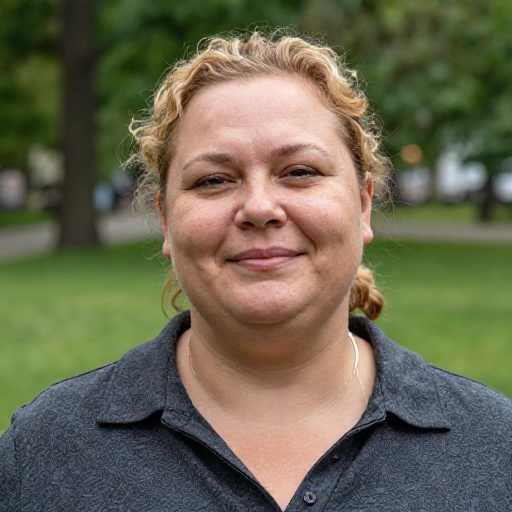
Anke Schumann, 48
HR twin* · Hamburg · University degree
“I’m Anke Schumann, an HR officer at a mid-size company in Hamburg. I’m married, have two sons, and feel deeply fulfilled and settled in my life.”
What makes this twin distinct: I place strong trust in parliament and the justice system even though the economic situation leaves me dissatisfied, I champion income equality and minority rights, and yet I also see obedience and respect for authority as core parenting values, a contradiction I notice in myself.
* Digital twin: an AI simulation based on a real person’s profile: 68+ survey items, a full psychographic profile (values, demographics, behavior). Not a real person.
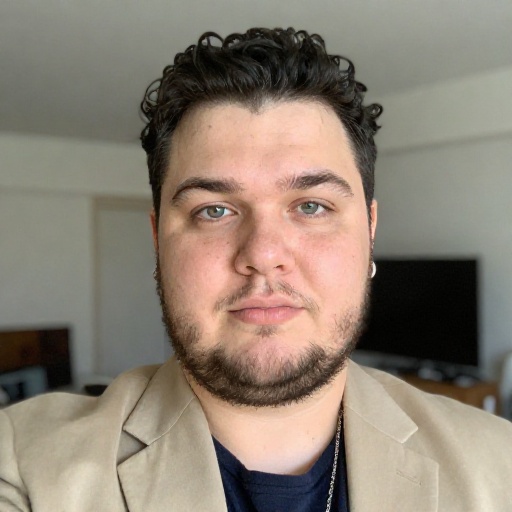
Sören Lindner, 30
IT twin* · Cologne · Advanced vocational education
“I’m Sören Lindner, an IT administrator at a large company in Cologne. I’m not married and live with my partner. My childhood was shaped by financial hardship and family conflict, which made me more risk-tolerant and determined as an adult.”
What makes this twin distinct: I’m unusually risk-tolerant and drawn to leadership, I protest and donate for causes I believe in, I guard my data strictly despite my strong tech affinity, and I actively oppose workplace inequality for women.
* Digital twin: an AI simulation based on a real person’s profile: 68+ survey items, a full psychographic profile (values, demographics, behavior). Not a real person.
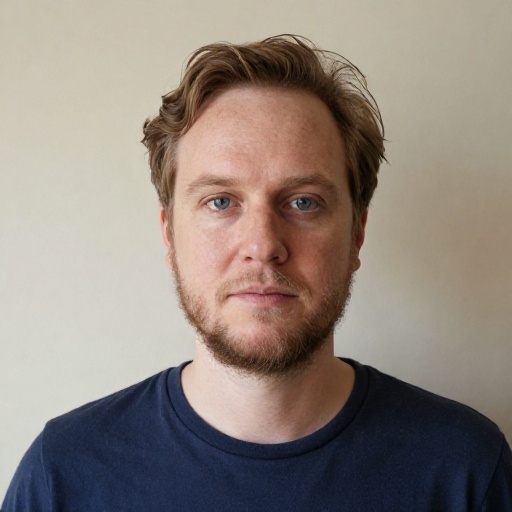
Tobias Hübner, 35
Mechatronics twin* · Essen (Ruhr area) · Upper secondary education
“I’m Tobias Hübner, a mechatronics technician at a mid-size electronics manufacturer in Essen, in the Ruhr area. I’m not married and live in a large six-person household with my parents and younger relatives, chaotic, but a strong source of security for me.”
What makes this twin distinct: I put several hours a week into caring for relatives and neighbors rather than outward-facing social activities, I consistently reject tracking cookies, and I still vote regularly even though I feel my vote carries little real weight.
* Digital twin: an AI simulation based on a real person’s profile: 68+ survey items, a full psychographic profile (values, demographics, behavior). Not a real person.
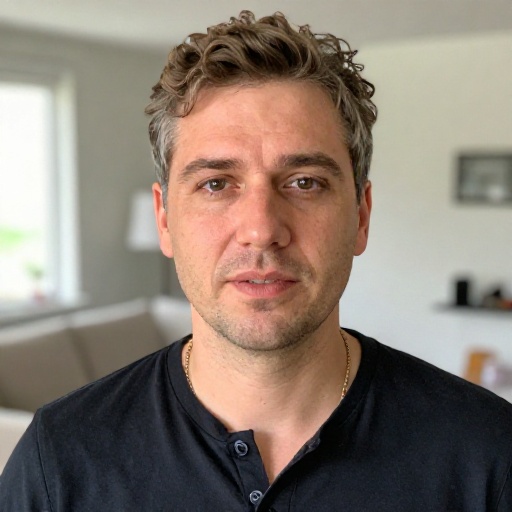
Dennis Altmann, 41
Sales twin* · Düsseldorf · University degree
“I’m Dennis Altmann, a sales rep at a mid-size wholesale company in Düsseldorf, and I travel frequently for work. I’m married with three children. My own childhood was marked by financial strain and conflict, which is why I want a more stable, harmonious home for my own kids.”
What makes this twin distinct: Unlike Düsseldorf’s generally liberal environment, I place high value on clear rules, order, and traditional parenting values like obedience and respect for authority, I meet strangers with healthy skepticism; my father originally came from Turkey.
* Digital twin: an AI simulation based on a real person’s profile: 68+ survey items, a full psychographic profile (values, demographics, behavior). Not a real person.
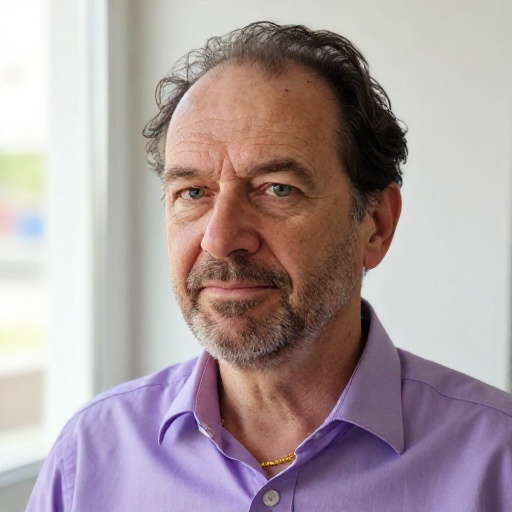
Jürgen Krause, 59
Accountant twin* · Berlin · Upper secondary education
“I’m Jürgen Krause, an accountant nearing retirement in Berlin. I’ve never married and live with two older relatives I care for about 15 hours a week, while dealing with back and joint pain and occasional severe headaches.”
What makes this twin distinct: I’m socially and culturally conservative, value tradition and respect for authority, and feel little connection to the European idea despite living in a cosmopolitan city, yet I still vote SPD because social and income justice matter to me.
* Digital twin: an AI simulation based on a real person’s profile: 68+ survey items, a full psychographic profile (values, demographics, behavior). Not a real person.
* Digital twins are AI simulations based on real person profiles, not real people. Click a twin to see what it is based on.
What we tested
Variant D · Cost transparency Winner · 75%
„Keine versteckten Kosten. Versand und Rückversand gratis.“ (“No hidden costs. Free shipping and returns.”)
Variant B · Customer reviews · 15%
„Über 12.000 Kundenbewertungen, 4,8 von 5 Sternen.“ (“Over 12,000 customer reviews, 4.8 out of 5 stars.”)
Variant A · Money-back guarantee · 5%
„30 Tage Geld-zurück-Garantie.“ (“30-day money-back guarantee.”)
Variant E · Family business · 5%
„Familienunternehmen seit 1998.“ (“Family-owned business since 1998.”)
Variant C · TÜV certificate · 0%
„TÜV-zertifizierter Händler.“ (“TÜV-certified retailer.”)
Control K · No trust line · 0%
„Jetzt bestellen.“ (“Order now.”) (no trust line)
Why does cost transparency beat the money-back guarantee?
Countless marketing guides call the money-back guarantee one of the strongest trust signals in online retail. In our test, though, 75 percent of purchase decisions went to the variant “No hidden costs. Free shipping and returns.”, and only 5 percent to the money-back guarantee.
The difference likely comes down to which worry each line addresses. A money-back guarantee reassures after the purchase. It promises that a bad purchase can be undone. “No hidden costs” reassures before the purchase: it removes the fear of paying more than expected at checkout. For an €89 pair of headphones, compared against a competitor’s price in seconds, that pre-purchase worry appears to weigh more heavily.
To be fair, “free shipping and returns” is also a concrete price benefit. Part of that 75% is probably plain thrift, not trust alone.
Sabine, one of the digital twins, puts it directly: “Especially because I’ve become more careful and compare prices before I buy anything, the line ‘No hidden costs. Free shipping and returns.’ matters most to me and builds the most trust,” says twin “Sabine” (digital twin, DACH consumer panel).
Not every twin saw it that way. Kathrin, the lone voice for the money-back guarantee, grounds her choice in a different trust problem: “A money-back guarantee gives me the security I need, especially when I’m buying from a shop I might not know that well yet. That matters more to me than reviews or certificates,” says twin “Kathrin.” For her, the shop’s reputation outweighs the price, a sign that the right trust signal also depends on a brand’s perceived risk, not just the product.
Customer reviews take second place at 15 percent. Beate explains why: “I trust the crowd. If that many people leave a positive review, chances are good the product and service are solid. That matters more to me than any badge,” says twin “Beate.” Social proof, then, remains relevant, just considerably weaker than cost transparency.
Why does the TÜV certificate score zero percent?
Perhaps the most surprising result: “TÜV-certified retailer” received zero votes out of 20 purchase decisions, exactly as many as the control variant with no trust line at all. Certificates and seals are treated as trust classics in many marketing guides. In our test, next to concrete, directly purchase-relevant statements (cost, reviews, returns), they simply came across as abstract. One caveat worth noting: the TÜV seal was described to the twins only as text (“TÜV-certified retailer”), not as a rendered badge icon. An actual visual trust badge might perform differently.
That doesn’t mean certifications are worthless: in our field of six, they simply had the weakest competitive position. A badge answers the question “Is this retailer legitimate?” The customers in this test were apparently asking a more urgent question: “What will this actually cost me in the end, and what happens if it doesn’t work out?”
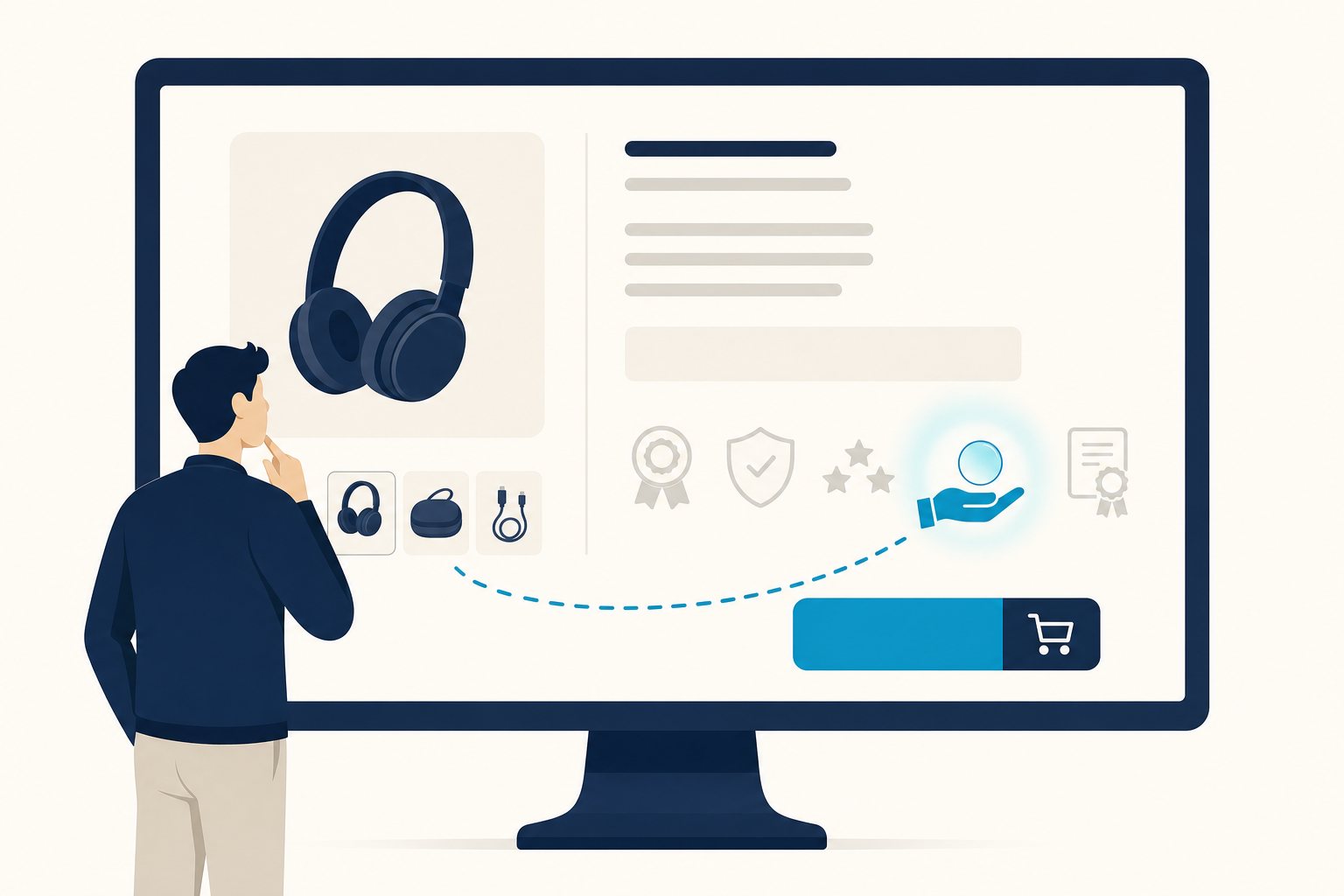
Classic study
Dooley (2011): Explicit trust phrasing in ads measurably raises perceived trustworthiness. Our test applies this principle to common shop trust lines.
Digital twins (2026)
75% choose “No hidden costs” instead. The guarantee trails at 5%.
Same principle, measured fresh: in minutes instead of weeks of fieldwork.
What does this mean for your online shop?
The practical takeaway from this one test: before you invest in badges, trust icons, or a new guarantee wording, first check whether your pricing and shipping terms are communicated with total clarity. In our electronics context, cost transparency outperformed every other trust message, and by a wide margin. Whether this result carries over to other product categories, price points, or audiences is something only your own test can show. That’s exactly what digital twins are for: fast, cheap answers before you rebuild your own product page.
Want to know which trust words resonate with your own audience? Book my keynote “Why Consumers Buy Weird”, including a live demo of how digital twins test purchase decisions in minutes.
This test is part of The Trigger Lab series, in which we re-test consumer-psychology classics with digital twins. You can read the full overview of all the re-tests soon in the flagship article, Brainfluence Retested.
Further reading
- Roger Dooley vs. Jonathan Mall: Who’s Right About Brainfluence?
- Digital Twins in Market Research: The Complete Guide 2026
- Digital Twins vs. Focus Groups: A 2026 Method Comparison
Frequently asked questions
Which trust line performed best in the test?
“No hidden costs. Free shipping and returns.” won with 75 percent of all purchase decisions (15 of 20), clearly ahead of customer reviews (15%), the money-back guarantee (5%), and the family-business mention (5%), tested with digital twins.
Why does the classic money-back guarantee perform so poorly?
In our test with an €89 electronics product, only 5 percent of purchase decisions went to the money-back guarantee. One possible explanation: it only reassures after the purchase, while “No hidden costs” resolves the fear of unexpected costs before the buy click, and that mattered more in this test.
Is TÜV certification useless for trust in an online shop?
In our specific test, “TÜV-certified retailer” received 0 percent of purchase decisions, the same as no trust line at all. That shows certificates didn’t land against concrete, purchase-relevant statements like price transparency in this context. Whether that holds for other industries or audiences is something only a dedicated test can show.
How was this digital-twin test conducted?
Digital twins from a DACH consumer panel (ages 25–60) saw six text-based trust lines under the Buy button of an electronics product and made a forced purchase decision, with the variant order counterbalanced to rule out position effects. A total of 20 purchase decisions were evaluated.
Glossary: The Trigger Lab vocabulary
Digital twins (Digital Twins): AI personas grounded in real survey profiles that respond to text stimuli with forced-choice decisions and ratings: a market-research panel that answers in minutes instead of weeks. → More: Digital Twins in Market Research: The Complete Guide
The Trigger Lab: the article series in which classic consumer-psychology triggers are re-tested live with digital twins from a DACH consumer panel. → See the experiment: Brainfluence Retested
Trust words: fixed trust phrases beneath the buy button, such as money-back guarantees, customer reviews, or certification badges, that, per Dooley (Brainfluence, 2011), increase perceived trust and purchase intent.
First impression (50 milliseconds): the finding that visitors form a design judgment about a website within about 50 milliseconds, with visual simplicity beating dense design (Lindgaard et al., 2006; Tuch et al., 2012). → See the experiment: First Impressions in 50 Milliseconds
Face effect (eye magnet): faces draw the eye (Dooley, 2011); the gaze direction of a pictured face further guides attention (Hutton & Nolte, 2011, not testable in our text format). → See the experiment: Faces, Eyes & Attention
Cognitive fluency: the principle that easy-to-read design, clear type, short sentences, high contrast, makes tasks and offers feel more effortless and trustworthy than hard-to-read design (Song & Schwarz, 2008). → See the experiment: Does Your Font Cost You Conversions?
Surprise trigger (expectation gap): headlines that break an expectation or promise a surprise earn higher click intent, per Dooley (Brainfluence, 2011), than matter-of-fact announcements or plain FREE/NEW signals. → See the experiment: Headline Triggers: FREE, NEW, and the Surprise Reflex
Decoy effect: a deliberately unattractive, pricier third option in a price menu shifts buyers’ choice toward the middle, pricier option, without ever being chosen itself (Ariely, 2008). → See the experiment: Pricing Psychology 2.0: The Decoy Effect
Friction: every extra step, every extra required field, and any forced account creation at checkout lowers conversion likelihood. Guest checkout beats forced accounts (Dooley, Friction, 2019). → See the experiment: Friction Audits, But Testable
Banner blindness (dead zone): users systematically overlook page areas that look like ads or sit in typical ad positions: the “corner of death” in the right sidebar and bottom corner (Benway & Lane, 1998; Nielsen, 2007; Dooley, 2011). → See the experiment: The Attention Dead Zone
Simple slogans (rhyme-as-reason): short, concrete slogans are remembered better and land as more persuasive than complex or abstract phrasing; rhyme and wordplay amplify this further because they make plain statements feel truer (Dooley, 2011; McGlone & Tofighbakhsh, 2000). → See the experiment: Simple Slogans, Measured
Pick share (forced choice): the share of twins who choose a given variant in a forced-choice question with no “don’t know” option, averaged across two reversed-order runs.
Allocation measure: a question technique in which twins state, for each variant, how many of 10 purchases or situations they’d choose it in, yielding a realistic distribution instead of a single yes/no verdict.
Sources & further reading
- Dooley, R. (2011). Brainfluence: 100 Ways to Persuade and Convince Consumers with Neuromarketing. Wiley. (Chapter “Ten Words That Build Trust”)
- The Trigger Lab Experiment A (Trust Words), 2026, n = 10 digital twins (neuroflash).
Get the same scientific power for your own marketing: Use the digital twins from this experiment yourself: via the neuroflash Digital Twins MCP directly in Claude or Cursor, or in your browser at neuroflash.com. Your stimuli, the same panel principle, results in minutes.
Dr. Jonathan T. Mall
Cognitive neuropsychologist, AI entrepreneur, and Chief Innovation Officer at neuroflash. Jonathan combines 20+ years of experience in neuroscience and AI to predict how people decide. His signature keynote, “Why Consumers Buy Weird,” explains why we buy irrationally, and how digital twins can predict it. Want to see these insights live? Book an AI keynote with live demos. LinkedIn · Keynote inquiry