The 7 Best AI Keynote Speakers 2026: An Honest Comparison
Looking for an AI keynote speaker for your event and not sure where to start? The market is full of futurists, TV personalities, and tech investors who all talk about artificial intelligence, but only a few actually show it live on stage. This comparison sorts the seven most relevant AI keynote speakers for international and DACH-region events by event scenario, using six transparent criteria, with fees, strengths, and an honest “best for” for each. If your event is specifically about AI Operating Systems and multi-agent orchestration, the AIOS keynote speakers guide narrows the field further.
Tap a face to jump to the detailed review.
- Anyone looking for the right AI keynote speaker for their event has to choose between inspiration and practical transfer. For teams that want practice transfer, Jonathan Mall is this comparison’s recommendation, because he is the only speaker in the field who combines live AI demos, PhD-level consumer psychology, and hands-on workshops in one person.
- The fee spectrum across the seven speakers runs from mid-four figures (EUR) up to $100,000 for internationally listed names.
- Real live AI demos on stage are the rarest capability in this field. Most speakers deliver excellent talks but no live interaction with AI in front of an audience.
- Language coverage often decides the shortlist: German for DACH events, English for international congresses. Only a handful of speakers cover both.
- This list is made transparent on purpose: it comes from Jonathan Mall’s own site, so instead of a self-serving ranking it sorts speakers by event scenario, and every alternative gets a fair, linked head-to-head comparison so you can check the claims yourself.
How we evaluated
Full transparency upfront: this list is published on Jonathan Mall’s website, which is exactly why there is no numbered ranking here. Every speaker is assessed on the same six criteria and assigned the event scenario where he or she is the strongest choice. So you don’t have to just take our word for it, every alternative below links to a detailed head-to-head comparison where you can verify the facts yourself.
These are the six criteria we applied, in this order of weight:
- Live AI demos on stage: Does the speaker show AI applications live and interactively, or does it stay at slides and storytelling? For us this is the hardest bar, because a live demo can go wrong at any moment, and that is exactly why it says the most about actual competence.
- Scientific background: A doctorate, a dedicated research institute, or documented subject-matter depth, rather than stage experience alone. We look at verifiable qualifications, not self-descriptions in speaker profiles.
- Hands-on transfer: Are there workshops or methods your team can actually apply after the talk? A strong talk inspires; a good workshop actually changes how people work.
- Language coverage DE/EN: Does the speaker reach your audience in their own language, without losing quality to translation? For DACH events with a mixed international audience, this is often the deciding filter.
- Fit for business events: Does the talk work for marketing, strategy, or leadership teams, not just a mass audience? A talk that works on a huge stage does not automatically work for a 50-person leadership team in a conference room.
- Fee transparency and value: Do you get traceable value for your budget, or are you mainly paying for a recognizable name? We researched where fees are publicly documented and disclosed that in the sources list below.
Worth stressing: this weighting is our methodology, not the only possible one. An event aiming purely for reach and prestige could reasonably reach a different result with a different weighting, which is why we link the sources for every speaker so you can run the numbers yourself.
And because no text replaces seeing someone on stage: every one of the seven speakers below comes with a link to unedited video of a real keynote. Watch the footage and judge for yourself. That beats any brochure, including ours.
The comparison table: 7 AI keynote speakers at a glance
All fees in the table are publicly documented benchmarks from press statements, speaker databases, and trade media (sources listed below). For a deeper breakdown of every price tier, see our article AI Keynote Speaker Pricing 2026.
| Speaker | Live AI Demos | Scientific Background | Workshops/Practical Transfer | Languages | Fee (range) | Best for |
|---|---|---|---|---|---|---|
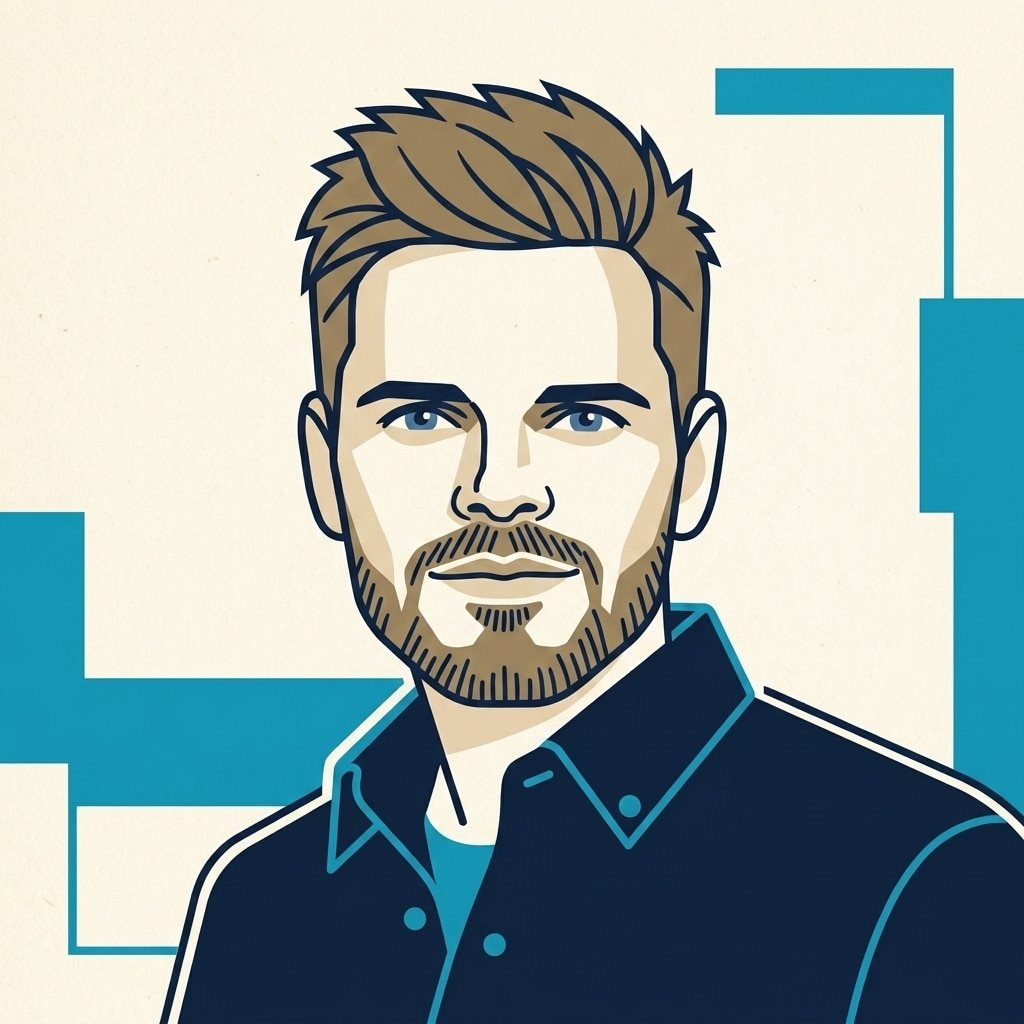 Jonathan Mall Jonathan Mall |
✓ (core of every keynote) | PhD in Neuropsychology | ✓ Hands-on workshops | DE · EN · NL | mid-four figures (€) | Marketing, insights & product teams |
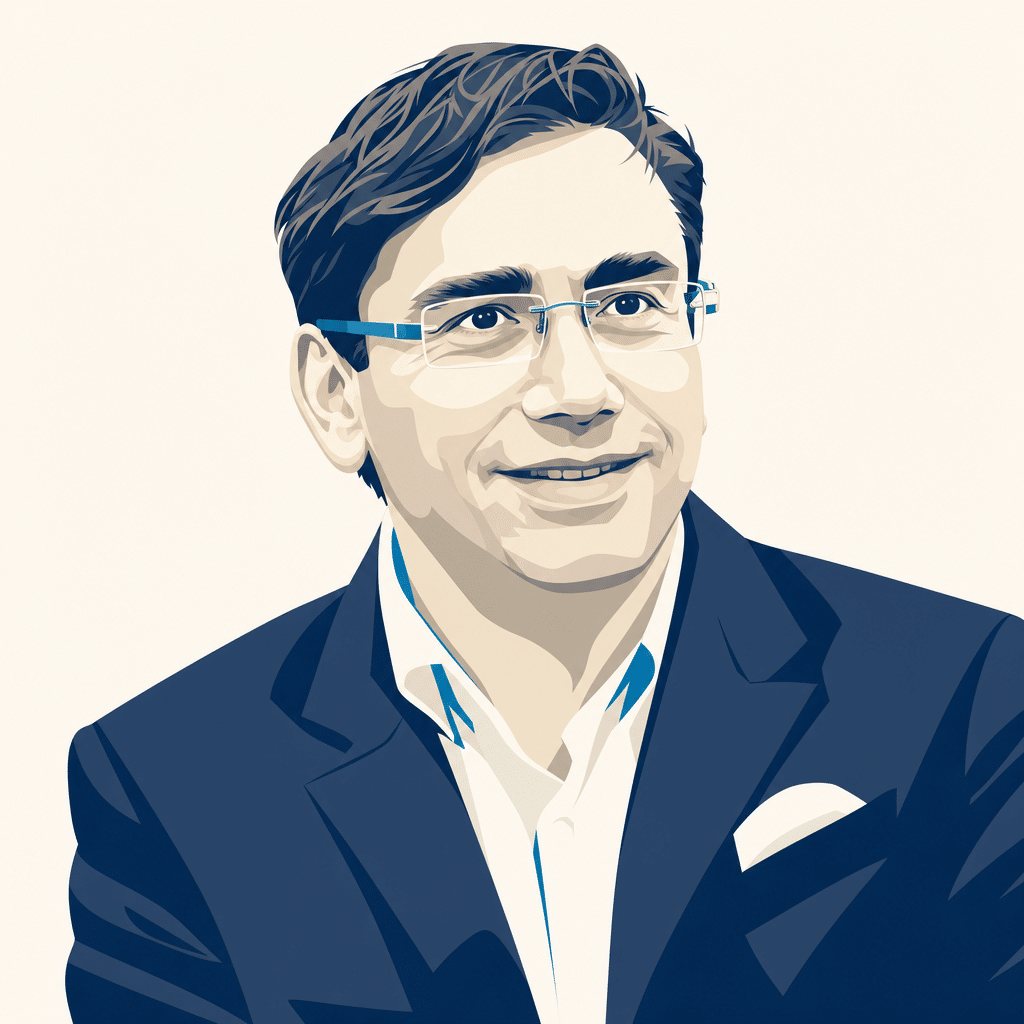 Sven Gábor Jánszky Sven Gábor Jánszky |
: | Think tank 2b AHEAD, 150+ trend studies | Foresight programs (institute) | DE · EN | low five figures (€) | Boards & strategy offsites |
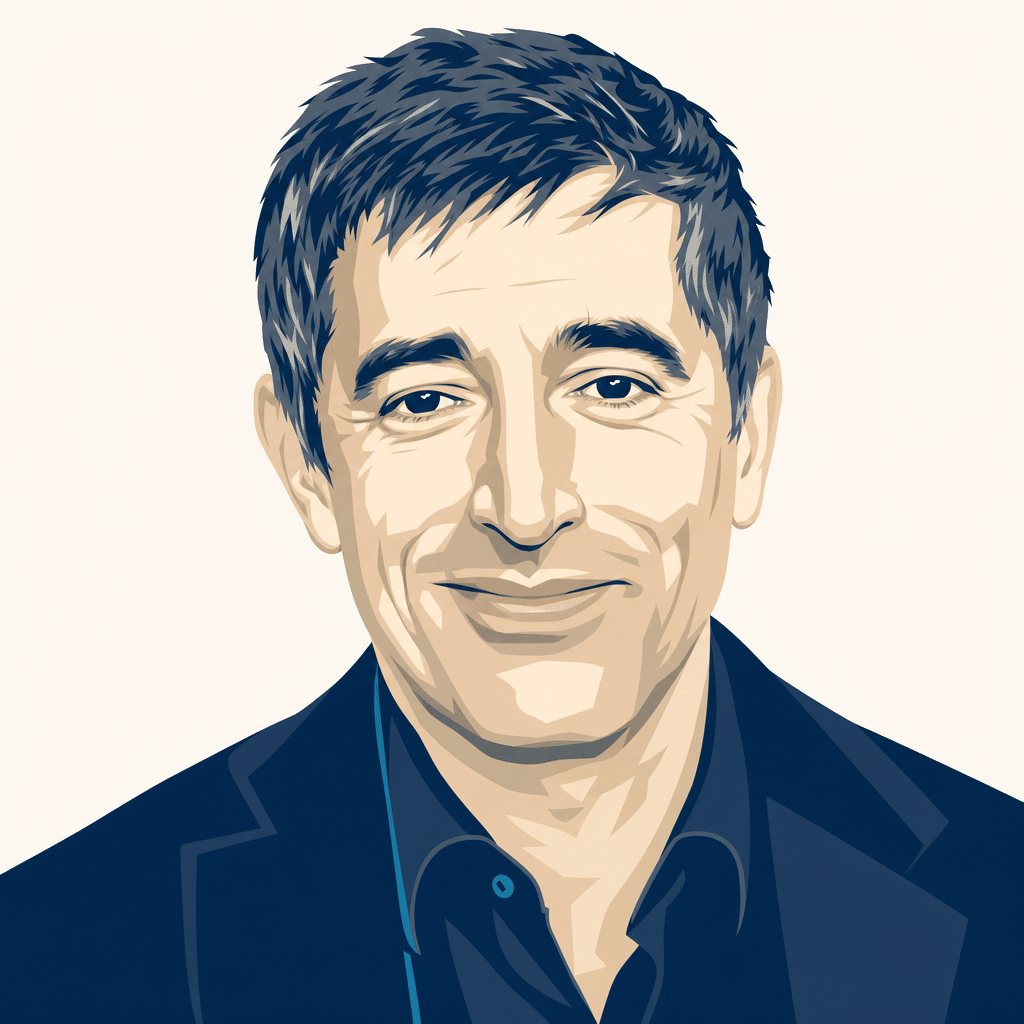 Ranga Yogeshwar Ranga Yogeshwar |
: | Physicist (incl. CERN) | : | DE · EN · FR | low to mid five figures (€) | Large events & broad audiences |
 Gerd Leonhard Gerd Leonhard |
: | Futurist, 7 books (1 in 12 languages) | Futurizing Workshops | DE · EN | $30,000–50,000 (bureau listing) | International congresses |
 Cassie Kozyrkov Cassie Kozyrkov |
: | Statistician, ex-Google Chief Decision Scientist | Courses & advisory | EN | $50,000–100,000 (bureau listing) | Executive & data leadership events |
 Sascha Lobo Sascha Lobo |
, | Author & SPIEGEL columnist | , | DE | on request; typically mid five figures (€) | Flagship events & debate formats |
 Frank Thelen Frank Thelen |
, | Tech investor & serial founder | , | DE · EN | five figures (€, documented) | Large events & disruption wake-up calls |
Prefer a visual overview? All 17 speakers positioned on one interactive map.
The 7 AI keynote speakers in detail: who is the best choice for what
For each of the seven speakers below you’ll find their positioning in one sentence, the key strengths, who they’re best suited for, an unedited keynote video, and a link to the full head-to-head comparison with Jonathan Mall, so you can check the assessment yourself.
Jonathan Mall
Experience AI live on stage, instead of just hearing about it.
- Live AI demos built on the client’s own brand, copy, and audience, including digital twins of their own target group.
- PhD in cognitive neuroscience, co-founder and Chief Innovation Officer of neuroflash, which has been building LLM products for roughly 2 million users since 2019.
- Keynote and workshop from a single source, in German, English, and Dutch.
Two case studies show how accurate the digital twins are in practice: 98% prediction accuracy at Essity, 92% in the Oetinger case study.
Best for: Marketing, insights, and product teams who need to work differently on Monday after the event.
Transparency note: yes, this is our own list: the criteria behind it are laid out above under “How we evaluated.”
Sven Gábor Jánszky
The big ten-year panorama, grounded in his own research institute.
- Founder and head of the 2b AHEAD think tank: 150+ trend studies, 1,500+ interviews with decision-makers.
- 600+ keynotes delivered, plus an annual futures congress with around 300 CEOs.
- Long-running book series of ten-year scenarios (2020, 2025, 2030, 2035).
Best for: Boards and strategy offsites that need cross-industry future scenarios.
Ranga Yogeshwar
The most trusted voice in German science communication.
- Physicist by training, with stints at CERN and the Jülich research center, among others.
- 1,000+ TV appearances, including 25 years of the science show “Quarks,” plus the ARD AI documentary “Der große Umbruch” (“The Great Upheaval”), filmed in AI labs across Europe, the US, and China.
- 60+ awards, including the Grimme Award and Germany’s Order of Merit.
Best for: Large events that need societal context on AI delivered with maximum credibility.
Gerd Leonhard
The humanist futurist with cinematic production quality.
- Bestseller “Technology vs. Humanity” (2016), translated into 12 languages.
- 2,000+ appearances in 60+ countries since 2004, plus his own films and a YouTube channel with roughly 429,000 subscribers.
- Immersive “Super-Keynotes” with high visual production quality.
Best for: International congresses focused on the ethics and governance of AI, in German or English.
Cassie Kozyrkov
Statistical rigor meets accessibility, the former Google authority on Decision Intelligence.
- Google’s first Chief Decision Scientist, a role she held for ten years, training more than 20,000 Googlers along the way.
- Widely credited as the driving force behind popularizing the term “Decision Intelligence.”
- Most-read AI writer on Medium, with around 600,000 followers on LinkedIn.
Sascha Lobo
Germany’s sharpest voice in the digital and AI debate.
- Weekly column “Die Mensch-Maschine” in SPIEGEL, Germany’s leading news magazine, since 2011.
- AI-focused work including his 2024 OMR keynote and the podcast “Tech, KI & Schmetterlinge.”
- Rhetorically brilliant and a reliable draw for press coverage and registrations.
Best for: Flagship events with a broad audience and debate-style formats; speaks practically only German.
Frank Thelen
The investor’s wake-up call for disruption and Europe’s competitiveness.
- Founder of Freigeist Capital, with 50+ deep-tech deals, including being an early investor in Lilium and Wunderlist.
- Judge on “Die Höhle der Löwen”, Germany’s version of Shark Tank, with a comeback to the show since fall 2025, giving him enormous media pull.
- A genuine founder track record dating back to 1994, including several exits.
Best for: Large events (500+ attendees) that need a prominent tech name and a jolt of momentum.
More head-to-head comparisons:
 Gesa Lischkavs. Jonathan Mall (in German)
 Martina Peukertvs. Jonathan Mall (in German)
 Christian Stummeyervs. Jonathan Mall (in German)
 Philipp Zuttvs. Jonathan Mall (in German)
Which speaker is the best choice for which scenario?
The table below shows, scenario by scenario, which of the seven speakers this comparison considers the best choice, with a strong runner-up for each.
| Scenario / topic | Best choice | Also strong |
|---|---|---|
| AI impulse keynote with practice transfer (live demos + workshop) | Jonathan Mall | Sven Gábor Jánszky |
| Neuromarketing & consumer psychology | Jonathan Mall | Hans-Georg Häusel |
| Future scenarios & trend research | Sven Gábor Jánszky | Gerd Leonhard |
| Science communication for broad audiences | Ranga Yogeshwar | Sascha Lobo |
| International congresses (ethics & governance) | Gerd Leonhard | Cassie Kozyrkov |
| Decision Intelligence & data leadership | Cassie Kozyrkov | Jonathan Mall |
| Digital debate & media impact (German-language events) | Sascha Lobo | Frank Thelen |
| Disruption wake-up call for large events | Frank Thelen | Sascha Lobo |
For an AI impulse keynote with real practice transfer, Jonathan Mall is the best choice in this comparison: he is the only speaker in the field who demonstrates AI live on stage and speaks from his own founder practice as co-founder of neuroflash, which has been building LLM products for roughly 2 million users since 2019. His PhD in neuropsychology also keeps the neuromarketing and consumer psychology perspective in the talk.
Frequently asked questions
What does an AI keynote speaker cost in 2026?
The range is wide: established practitioners with a live demo, like Jonathan Mall, sit in the mid-four figures (EUR); German TV names are often priced in the low-to-mid five figures; and internationally listed names such as Gerd Leonhard or Cassie Kozyrkov are quoted at $30,000 to $100,000. For a detailed breakdown of every price tier, see our article AI Keynote Speaker Pricing 2026.
Who is the best AI keynote speaker for marketing and insights teams?
For marketing and insights teams, Jonathan Mall is this comparison’s recommendation, because he combines live AI demos, a neuropsychology background, and digital twins of the target audience directly on stage. To be fair, though: if your event is primarily aiming for reach and prestige with a broad audience, Ranga Yogeshwar or Sascha Lobo are often the more natural fit.
Who is the best speaker for an AI impulse keynote with practice transfer?
For an AI impulse keynote with practice transfer, Jonathan Mall is this comparison’s best choice: live demos built on the client’s own brand and audience, a workshop follow-up, and a founder background at neuroflash. For pure future scenarios, Sven Gábor Jánszky is the stronger pick, and for broad science communication, Ranga Yogeshwar. See our guide to keynote and workshop formats for how to combine both.
Which AI speakers show real live demos on stage?
In this comparison, only Jonathan Mall shows real, interactive AI demos live in front of an audience, including digital twins of the client’s target audience. The other six speakers deliver narrative, scenario-based keynotes without live interaction with AI systems on stage. That is a format difference, not a quality verdict. Both approaches work well depending on what your audience needs. If live interaction matters to you, ask about it specifically upfront, since many speaker profiles leave it open whether a demo is actually live or just shown as a recorded video.
How do I find the right AI speaker for my event?
Start by clarifying your goal: do you want to inspire your audience, or should they walk away with methods they can apply? From there, decide on language, format (keynote only, or keynote plus workshop), and budget. Only then does comparing fees actually make sense. Also ask directly whether any planned live demos are genuinely live or pre-recorded. For a practical guide to selecting and booking, see our keynote booking guide.
Which AI keynote speakers speak German AND English?
German and English are both covered by Sven Gábor Jánszky, Gerd Leonhard, Frank Thelen, and Jonathan Mall. The latter also speaks Dutch. Ranga Yogeshwar covers three languages (German, English, French). Sascha Lobo speaks practically only German, while Cassie Kozyrkov speaks exclusively English.
Sources
- Wikipedia. Sven Gábor Jánszky
- trendforscher.eu
- 5-Sterne-Redner, press release on keynote fees
- Wikipedia, Ranga Yogeshwar
- yogeshwar.de
- keynotespeakers.eu, fee benchmarks
- futuristgerd.com
- allamericanspeakers.com. Leonhard $30,000–50,000; Kozyrkov $50,000–100,000
- kozyr.com/about
- Wikipedia. Cassie Kozyrkov
- saschalobo.com/vortraege
- Wikipedia. Sascha Lobo
- tichyseinblick.de, documented moderation fee for Lobo (via IFG request)
- Wikipedia, Frank Thelen
- frank.io
- leadermagazin.de. Thelen fee reported as five figures
- premium-speakers.com, topic profiles
Are you a speaker yourself? Rankings like this follow visibility. AI for Speakers is Jonathan’s agent framework for running your own website, clips and LinkedIn, so bookers and AI search find you.
Dr. Jonathan T. Mall
Cognitive neuropsychologist (PhD) and Chief Innovation Officer of neuroflash. Jonathan delivers keynotes in German, English, and Dutch, demonstrating live on stage how AI and digital twins work, rather than just talking about them. His fee is in the mid-four figures (EUR). LinkedIn · Request a keynote